
The Jashpur Jamboree is as much a canvas of creativity as it is a stage for adventure and culture. Art here is not confined to galleries—it is alive in traditions, skills, and crafts passed down through generations. Every stroke, pattern, and creation reflects the intimate bond between the people of Jashpur and their land.
Chhind Art
A signature of Jashpur’s tribal artistry, Chhind Art uses natural colors and bold, flowing designs to depict scenes from everyday life, folklore, and nature. Traditionally painted on walls and household items, these motifs carry both aesthetic beauty and symbolic meaning. At the Jamboree, visitors can witness live demonstrations of Chhind painting and even try their hand at creating patterns guided by local artists.
Pottery
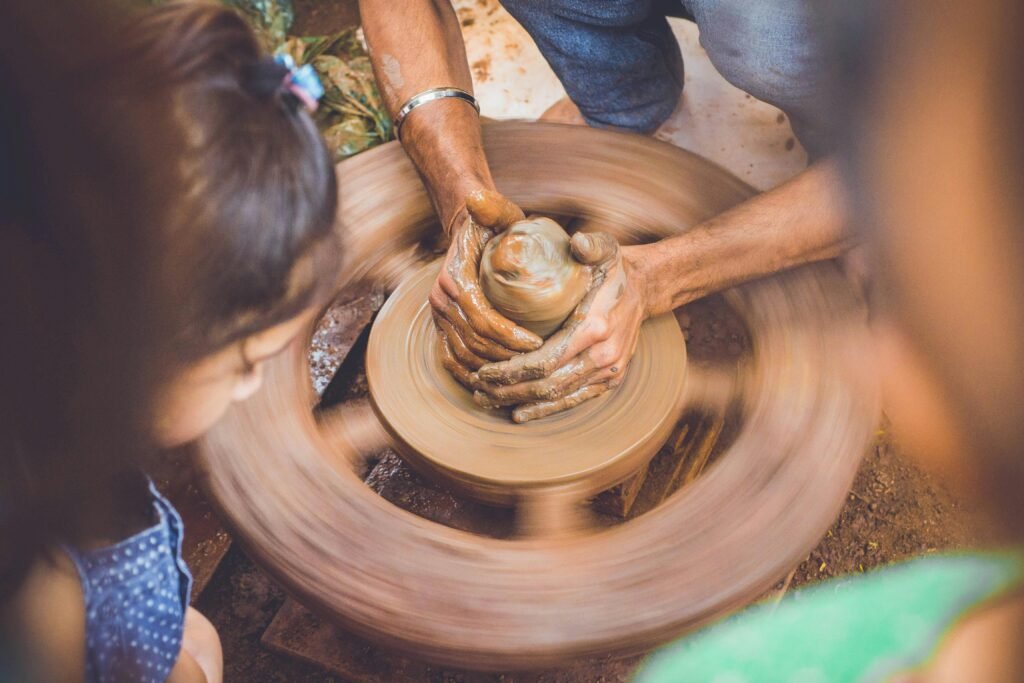
The soil of Jashpur has long been molded into forms of utility and beauty. Pottery remains one of the oldest art practices here, with artisans shaping clay into pots, figurines, and decorative items. At the festival, stalls display traditional earthenware alongside contemporary interpretations, showing how this timeless craft continues to evolve. Each creation carries the warmth of the earth and the skill of hands that transform it.
Godna (Tattoo Art)
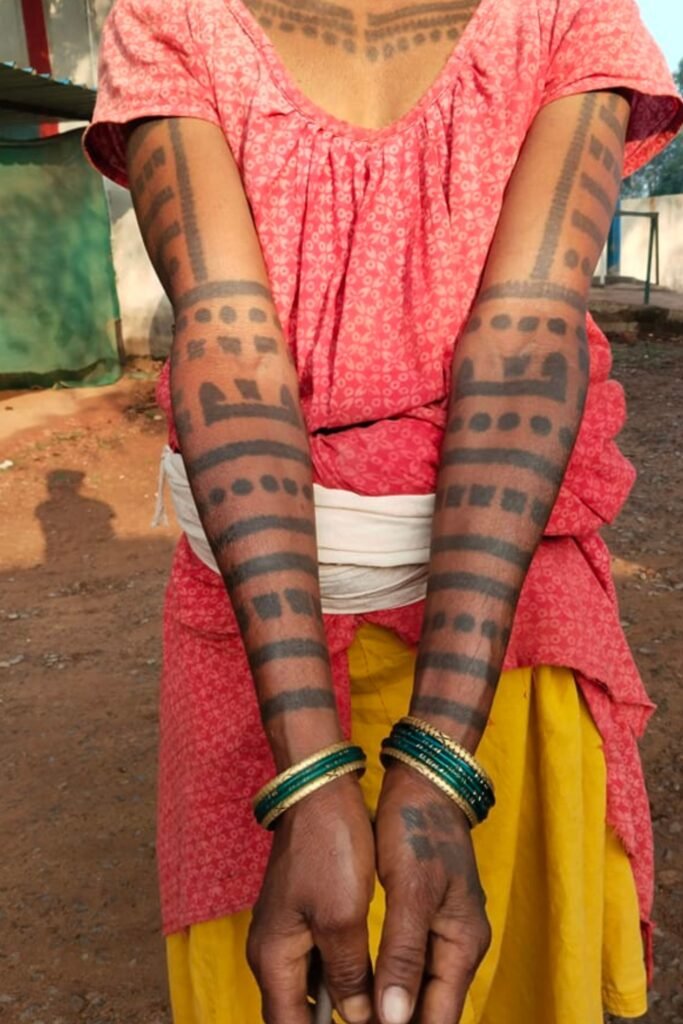
Godna, the tribal tattoo art of the region, is more than body decoration—it is identity, storytelling, and spirituality etched onto the skin. Traditionally inked on women as a mark of beauty and cultural pride, Godna designs draw heavily from nature, animals, and sacred patterns. At the Jamboree, this art form is celebrated through exhibitions, live tattoo-making (on canvas or temporary mediums), and conversations with practitioners who carry centuries-old traditions.
Bamboo Art
With forests rich in bamboo, bamboo craft has flourished in Jashpur as both functional and artistic expression. From intricately woven baskets to musical instruments, home décor, and jewelry, bamboo art showcases sustainability at its finest. Artisans display not just finished products but also the process of cutting, shaping, and weaving bamboo into delicate yet durable designs. This form of art connects deeply with the region’s eco-friendly way of life.
Malaar Art
Malaar Art is unique to the tribal communities of Chhattisgarh, often characterized by vibrant patterns and motifs rooted in myth and ritual. At the Jamboree, Malaar artworks often serve as visual narratives—telling stories of gods, ancestors, and village traditions. The art’s bold use of color and symbolism provides visitors with a window into tribal spirituality and imagination.
Aghariya Iron Smelting
One of the most fascinating artistic-technical traditions is Aghariya iron smelting. The Aghariya community has been known for centuries for its mastery over iron, using indigenous techniques to smelt ore and craft tools, weapons, and artifacts. At the Jamboree, live demonstrations reveal the skill and knowledge involved in transforming raw material into functional art. Watching fire, metal, and human skill come together is as awe-inspiring as any performance.
The Spirit of Art
Art at Jashpur Jamboree is not just for display—it is living heritage. Whether it’s the earthy patterns of Chhind, the permanence of Godna tattoos, the utility of pottery and bamboo crafts, the vibrancy of Malaar, or the fire-forged creations of the Aghariya, each art form tells a story of resilience, creativity, and community. For visitors, it is an opportunity not just to admire but to engage—to witness, learn, and carry home a part of Jashpur’s artistic soul.